|
|
|

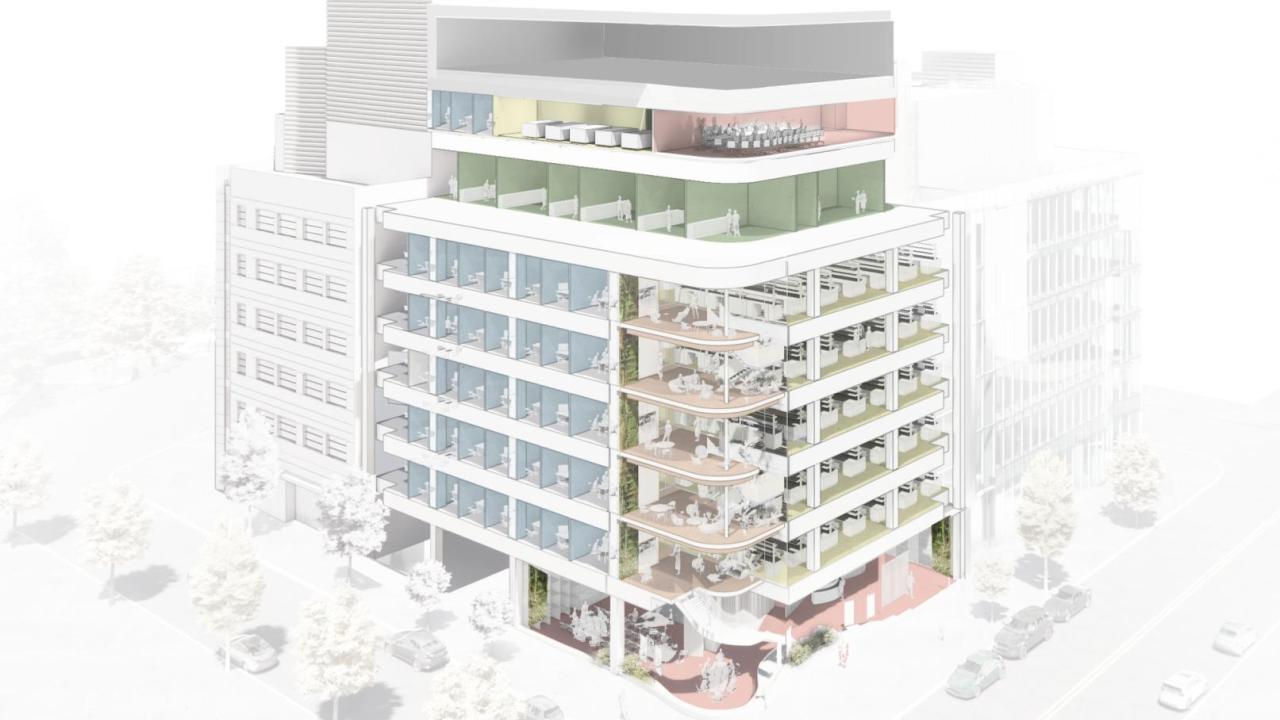
Our mission is to develop the means to identify vulnerable individuals at risk for Alzheimer's disease and devise new therapies to prevent or delay disorders of the aging brain.
Taub Institute for Research on Alzheimer's Disease and the Aging Brain - » www.alzheimercenter.org
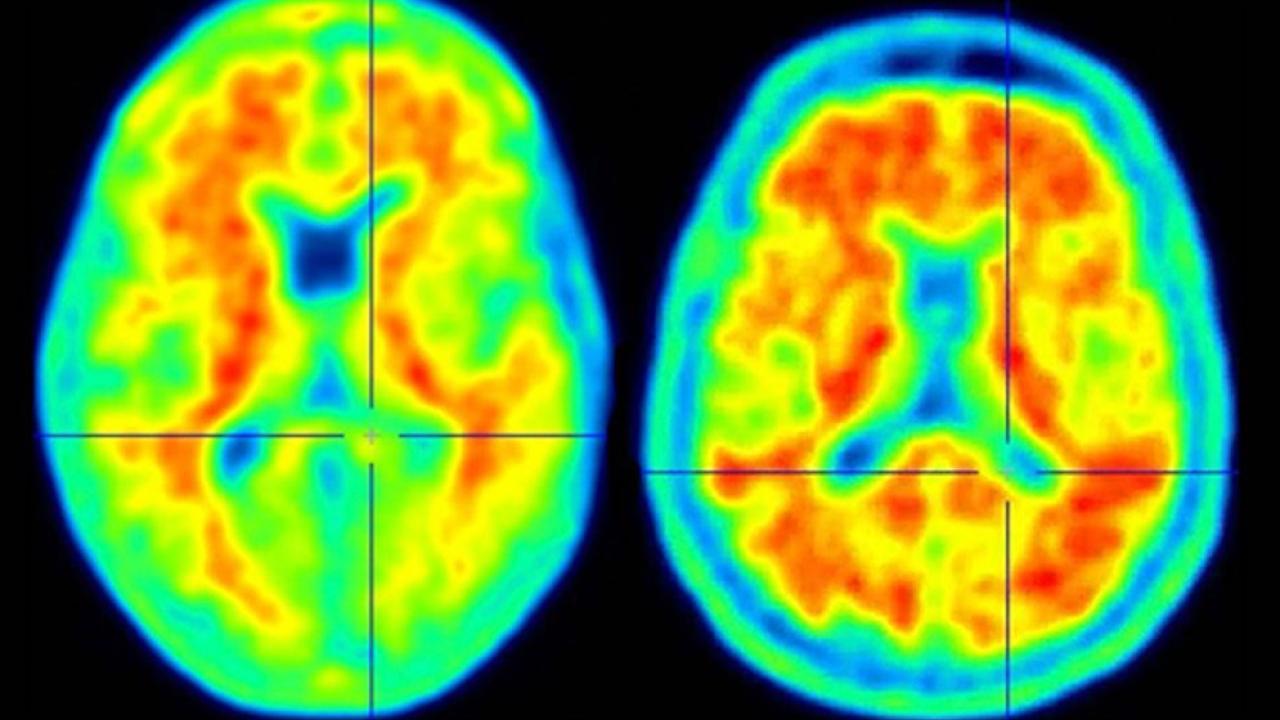
We provide in-patient consultation services for patients with cognitive and behavioral disorders and staff the Memory Disorders Clinic at the Psychiatric Institute. Research interests in behavioral disorders and dementia primarily focus on degenerative diseases such as Parkinson disease, Alzheimer disease, Huntington disease, and stroke. Neurologic, psychiatric and neuropsychologic functions are assessed. Current projects include studies of dementia in Parkinson disease, use of brain imaging in dementia, clinical trials, and epidemiology of Alzheimer disease and related disorders; natural history of HIV; cognitive performance in children with complex metabolic disorders. Aging and dementia rounds are held weekly at Columbia-Presbyterian Medical Center and monthly at Harlem Hospital Center. The research activities of the Division of Memory and Behavioral Disorders are integrated closely with those of the Sergievsky Center, and all divisional faculty hold appointments in the Sergievsky Center.

DR. KAREN S. MARDER, DIRECTOR
Investigations of genetic influences in families of probands with early-onset compared to late-onset Parkinson disease. Multicenter investigation of risk factors for the development of dementia in HIV. Clinical trials of new therapeutic agents in Huntington disease. Longitudinal study of subjects at risk for developing Huntington disease.

DR. KAREN L. BELL
Development of new clinical treatments for Alzheimer disease. Currently conducting research for the prevention of Alzheimer disease in individuals with mild cognitive impairment. Other research interests include understanding barriers that minorities face in receiving clinical care for dementia and cognitive loss, and developing mechanisms to recruit minorities into clinical research.

DR. LAWRENCE S. HONIG
Clinical studies of Alzheimer disease. Clinicalpathological correlations in Alzheimer disease and related dementias.

DR. SCOTT SMALL
Correlations of memory and changes in the hippocampal formation using functional magnetic resonance imaging in normal aging and in Alzheimer disease. Parallel studies in transgenic mice.

THE G.H. SERGIEVSKY CENTER
The Gertrude H. Sergievsky Center focuses on developmental disorders of the nervous system that affect humans throughout life from the time we are formed by genetic inheritance at conception until the day of our death. The Center's main focus has been integrating epidemiology with genetic analysis and clinical investigation to explore all phases of diseases of the nervous system.
The Gertrude H. Sergievsky Center -
» cpmcnet.columbia.edu/dept/sergievsky
The Gertrude H. Sergievsky Center uses traditional and genetic epidemiologic approaches to the study of neurological disorders. Areas of major interest include adverse reproductive outcomes, epilepsy and seizure disorders, degenerative diseases of the nervous system, developmental disorders of the nervous system, and neurological disorders of major public health impact. Allied disciplines in the health sciences include biostatistics, human genetics, neurology, obstetrics, pediatrics, physiology, psychiatry, psychology, and social sciences. The faculty of a federally funded training program in neuroepidemiology are located primarily within the Sergievsky Center.

DR. RICHARD MAYEUX
Director, G.H. Sergievsky Center and Co-Director, Taub Institute for Alzheimer Disease.
Epidemiology and genetics of Alzheimer disease and Parkinson disease.

DR. NICOLE SCHUPF
Genetic epidemiology of Down syndrome and Alzheimer disease.

DR. YAAKOV STERN
COGNITIVE NEUROSCIENCE
Experimental and neuroimaging approaches to cognitive issues in normal aging and diseases of the aging brain (including Alzheimer, Parkinson, and Huntington diseases). Current experimental cognitive studies include: source memory, working memory, priming, and the interplay between explicit recollection and familiarity in normal aging; basic timing mechanisms in normal aging and Parkinson disease; language and working memory in Alzheimer disease; and effects of literacy, education, ethnicity, and acculturation on neuropsychological task performance in cognitive neuroimaging. Cognitive neuroimaging studies include: network changes in mediating recognition and working memory and cognitive reserve in normal aging and Alzheimer disease (H2 15O PET and fMRI); age priming in young adults and normal aging (ER-fMRI) executive function in normal aging and Huntington disease (fMRI), and effects of estrogen on recognition and source memory in elderly women (ERP).

DR. KAREN S. MARDER
Field work and clinical and basic research utilizing an extended kindred with Huntington disease living in Venezuela, including genotype/phenotype analyses. The Huntington Disease Center of Excellence provides experience in clinical care, psychotherapy and genetic counseling. Clinical trial of coenzyme Q10 and remacemide in Huntington disease. Activities relating to the ethical, legal and social implications of the Human Genome Project.
|
|
|
|