First Year
Class Schedule and Advisory Dean Lunch
The courses of the first year at P&S are diagrammed in the chart below. Classes start the last week of August and continue through 42 weeks of the academic year. Two vacations are scheduled - a winter break of approximately two weeks, and a one-week spring break. The figure listed beside each course title indicates the total number of hours assigned to that course.
CLINICAL ANATOMY
We define Clinical Anatomy as that which pertains specifically to the practice of contemporary medicine. An essential preclinical subject, Clinical Anatomy enables student physicians to acquire the fund of anatomic knowledge necessary for the practice of medicine and the knowledgeable discussion of findings or problems with appropriate colleagues. Lectures introduce each laboratory topic, explain conceptual relationships between structure and function, and emphasize important subtleties between the normal and aberrant. The dissection laboratory affords a different and stimulating learning experience. Here small-group preceptor discussions focus the laboratory experience and provide informative interactions with faculty. Appropriate computer-assisted tutorials, developed by our faculty, enhance learning as well as facilitate review. Weekly correlation clinics or radiographic anatomy sessions exemplify anatomic application in the practice of medicine. By course end, student physicians are able to analyze, synthesize and apply clinically relevant anatomical information - goals and skills essential for physical examination as well as proper diagnosis, appropriate therapy and accurate prognosis in patient care.
CLINICAL PRACTICE I
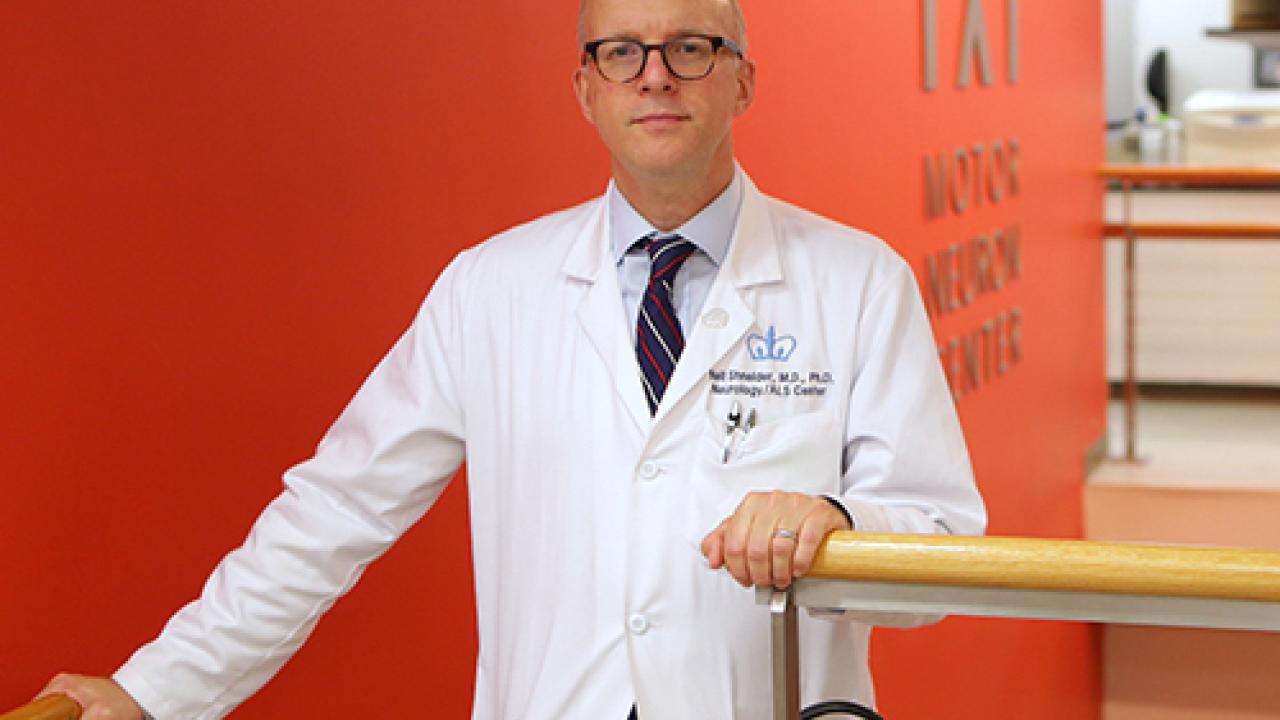
Dr. Delphine Taylor
Course Director
P&S 3-401, Ext. 5-0344
dst4@columbia.edu |
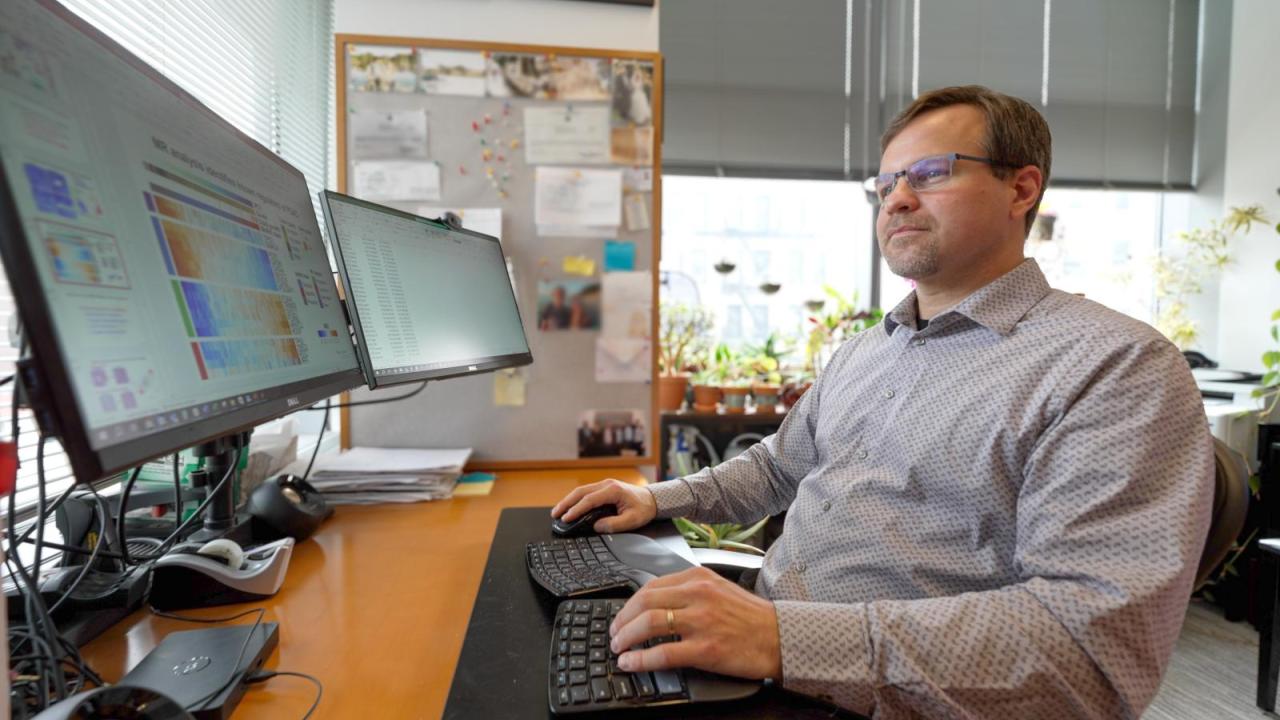
Dr. Michael J. Devlin
Associate Course Director (right)
Office: 1051 Riverside Dr., Unit 116
Phone: (212) 543-5748
Email: mjd5@columbia.edu |
|
The goal of Clinical Practice is to introduce the knowledge, skills and attitudes necessary to translate scientific knowledge into the clinical care of individual patients, and to guide students in their own life transition into the role of the physician. The course includes clinical selectives, lectures and small groups.
In the first semester, students acquire basic knowledge and skills in interviewing, reading the clinical literature and understanding health systems. In the second semester students will learn about health promotion and disease prevention throughout the life cycle with emphasis on sexuality, substance abuse, and nutrition. Special lectures devoted to cultural competence and the ethical dimensions of medical care are scheduled throughout the year. Small group sessions will provide opportunities to integrate the didactic parts of the curriculum with clinical experiences in clerkships through case examples and clinical journals, and will also serve as a forum for exploring issues relating to professional development and medical ethics.
HUMAN DEVELOPMENT
Dr. Cathy Mendelsohn
Course Director
BB 1502 or 1514
Ext. 5-1591, 5-7941
clm20@columbia.edu |
|
The goal of this course is to introduce anatomical and modern biological principles of human embryology, from conception to birth. This should provide a basis for understanding human anatomy, genes that regulate developmental processes and the molecular basis of birth defects. The first semester will be devoted to learning the basic body plan, the origin and division of the body's cavities, and early organogenesis. Topics will include: cellular commitment to embryonic and extraembryonic tissues, morphogenetic movements that give rise to the three germ layers: ectoderm, mesoderm and endoderm, induction and differentiation of the nervous system, formation of the cardiovascular system and development of the gut. During the second semester head, neck, face and limb development will be studied. Organogenesis of the respiratory, urogenital and reproductive systems will be discussed when these organs are considered in Science Basic to the Practice of Medicine and Dentistry. Although descriptive embryology will be emphasized throughout the course, modern molecular and technological advances as they relate to the understanding and potential treatment of malformations will be presented.
NEURAL SCIENCE
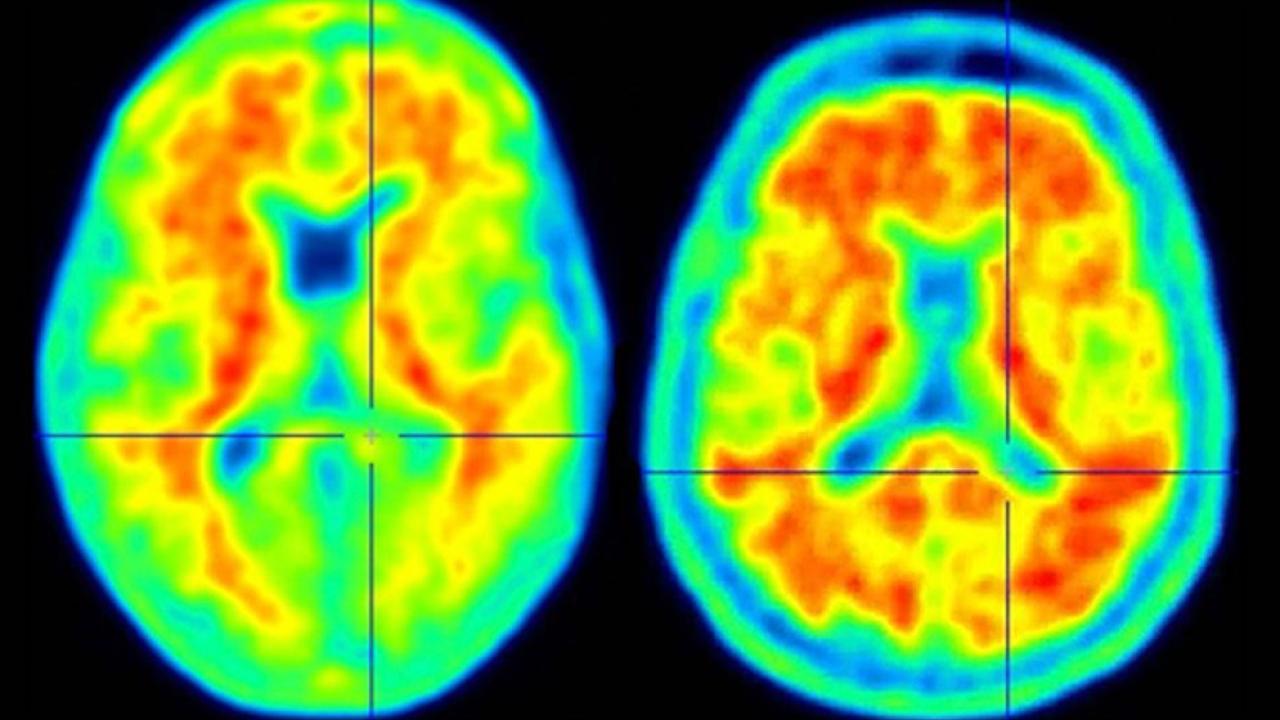
You will learn the fundamentals of neural science: structures, pathways and mechanisms subserving sensory, motor and higher cognitive functions, how information is transmitted along and between neurons, and symptomatology and etiology of neurological and behavioral disorders. These basics will be enriched with recent information derived from cellular and molecular biological approaches so as to give you an appreciation of the extraordinary potential being developed for the understanding and treatment of disorders of the nervous system and of the techniques by which this potential will be realized. Instruction is by a mix of basic science and clinical lectures, anatomy labs and research demonstrations.
PSYCHIATRIC MEDICINE I
The course consists of lectures and small groups for discussion and interviewing patients. The goals of the course are for students to understand the concepts of depression and psychosis and the psychiatric syndromes that affect mood and thought, including Schizophrenia and Bipolar Disorder.
SCIENCE BASIC TO THE PRACTICE OF MEDICINE AND DENTISTRY
This course focuses on principles of science that are critical for understanding how the body works. A variety of approaches are used to accomplish these goals. Core principles are presented in conventional lecture format and supported by syllabus entries. Opportunities for small group discussions and problem solving will occur within the context of conferences, laboratories and demonstrations.
The course begins with a general introduction to the cell and basic concepts of biochemistry. It proceeds in a logical manner to consider the molecules of life, moving from small molecules to macromolecules. Following an overview of molecular biology and genetics, the course progresses to a detailed study of cell biology and then transitions to the study of tissues. Finally, the many disciplines are integrated in a detailed study of systems biology.
Histology
Class Schedule and Advisory Dean Lunch
|