Referrals
search
eNewsletter HealthPoints Sign up for our HealthPoints E-Newsletter
Department of Surgery
info@columbiasurgery.org Referrals Patient Clinician Researcher
 New York Thyroid/Parathyroid Center

New York Thyroid Center
Thyroid Cancer Anaplastic


Anaplastic thyroid cancer, also called undifferentiated thyroid cancer, is relatively rare. Although earlier in this century, this disease comprised up to one fifth of all cases of thyroid cancer, that figure is now down to about 5% of all thyroid cancers. Even though anaplastic thyroid cancer is decreasing in frequency, we don't know the reason for the change. We do not know what causes anaplastic thyroid cancer, although some people believe that it develops from other less aggressive thyroid cancers that suddenly grow out of control for unknown reasons. Anaplastic thyroid cancer is more common in older people (with an average age of about 60) and is more common in women than in men.


Diagnosis

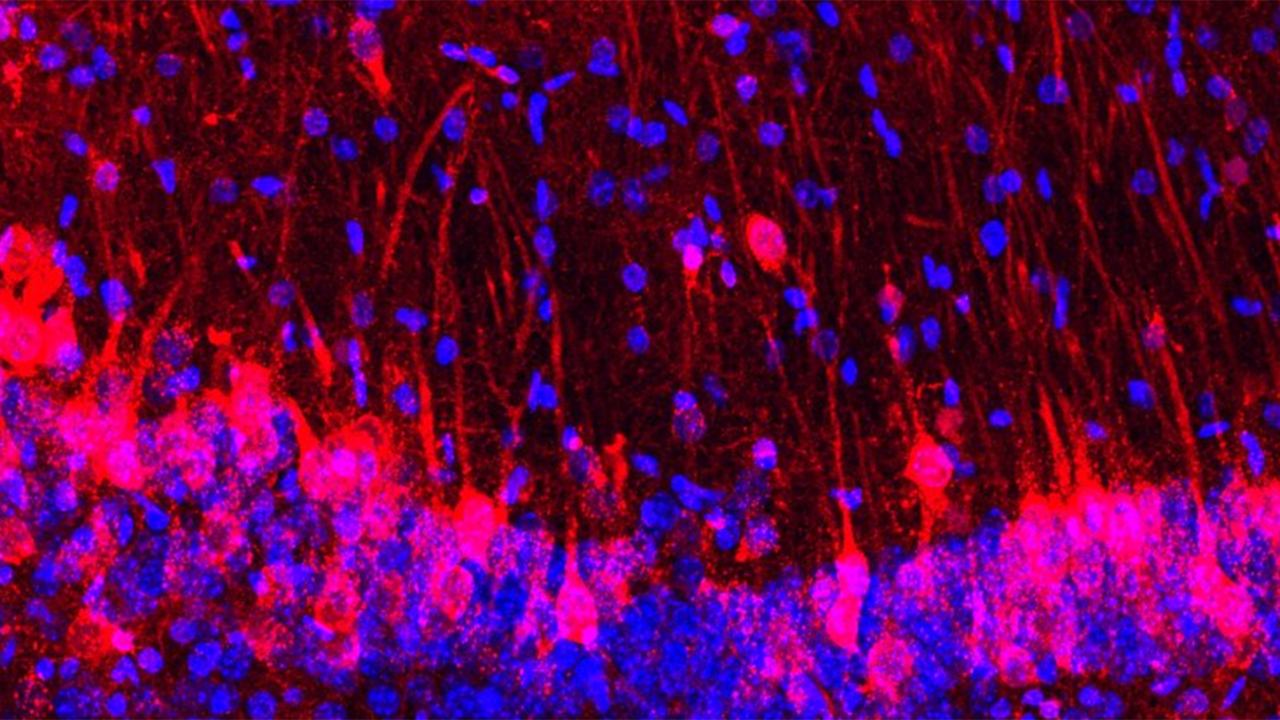
Microscopic views of normal thyroid tissue versus anaplastic cancer
Fig 1. Normal thyroid tissue
Fig 2. Anaplastic thyroid cancer tissue
Fig 2. Anaplastic thyroid cancer tissue. The tumor cells grow in solid clusters. Some of the tumor cells are spindle shaped.

Unlike other types of thyroid cancer, the symptoms of anaplastic thyroid cancer are usually noticeable right away. Most patients initially complain of difficulty breathing, either shortness of breath or noisy breathing, as well as changes in their voice, usually hoarseness. These changes are the result of the rapidly growing cancer pressing on the windpipe and invading the nerves that control the voice. Additionally, most patients notice a large and rapidly growing mass in the front of their neck.

The diagnosis is made by a careful history and physical examination as well as a biopsy. Since the anaplastic tumor is more solid than other types of thyroid tumor, the biopsy must be performed using a large needle (coarse needle biopsy). The biopsy is essential in order to tell the difference between this type of thyroid cancer and other forms such as medullary cancer or thyroid lymphoma. A blood test for calcitonin can also be performed in order to rule out medullary cancer as the cause of the thyroid enlargement. Occasionally, coarse needle biopsy is not adequate to make the diagnosis and your doctor may perform an open biopsy in the operating room. In this procedure, your surgeon makes a small incision in your neck to remove a small piece of tissue. This can be done under local anesthesia in most cases.

After the diagnosis of anaplastic thyroid cancer has been established, it is important to see how extensive the disease is. A CT scan of the neck and chest can show how large the tumor is, whether or not it is invading the nearby structures (muscles, trachea or esophagus), and can determine if the disease has spread to the lungs. A flexible laryngoscopy (scope inserted down the throat) can determine if the vocal cords have been affected by the cancer.


Treatment

In the very lucky situation where the anaplastic cancer has been identified at its earliest stages, surgery can be attempted to remove the thyroid gland. However, the vast majority of patients have advanced disease that is inoperable at the time of diagnosis. Tragically, the five year survival from this type of cancer is less than 5%, with most patients dying within just a few months of the diagnosis. Treatment with radiation therapy or chemotherapy may shrink the tumor slightly and make breathing easier in those patients who are suffering from shortness of breath. Occasionally, a tracheostomy (a hole which is surgically made in the patient's windpipe) may allow easier breathing, but will not cure this aggressive form of cancer. With advances in research, we hope that additional treatment options will be available soon.


Top
     Contact Us About Us  Ways to Give Site Map Disclaimer Find a Physician Patient Forms Intranet
Columbia University Medical Center NewYork-Presbyterian Hospital