
Columbia University Irving Medical Center
Transforming human health by driving discovery, advancing care and educating leaders

About CUIMC
Our Schools
Advancing Care
News
- May 16, 2024
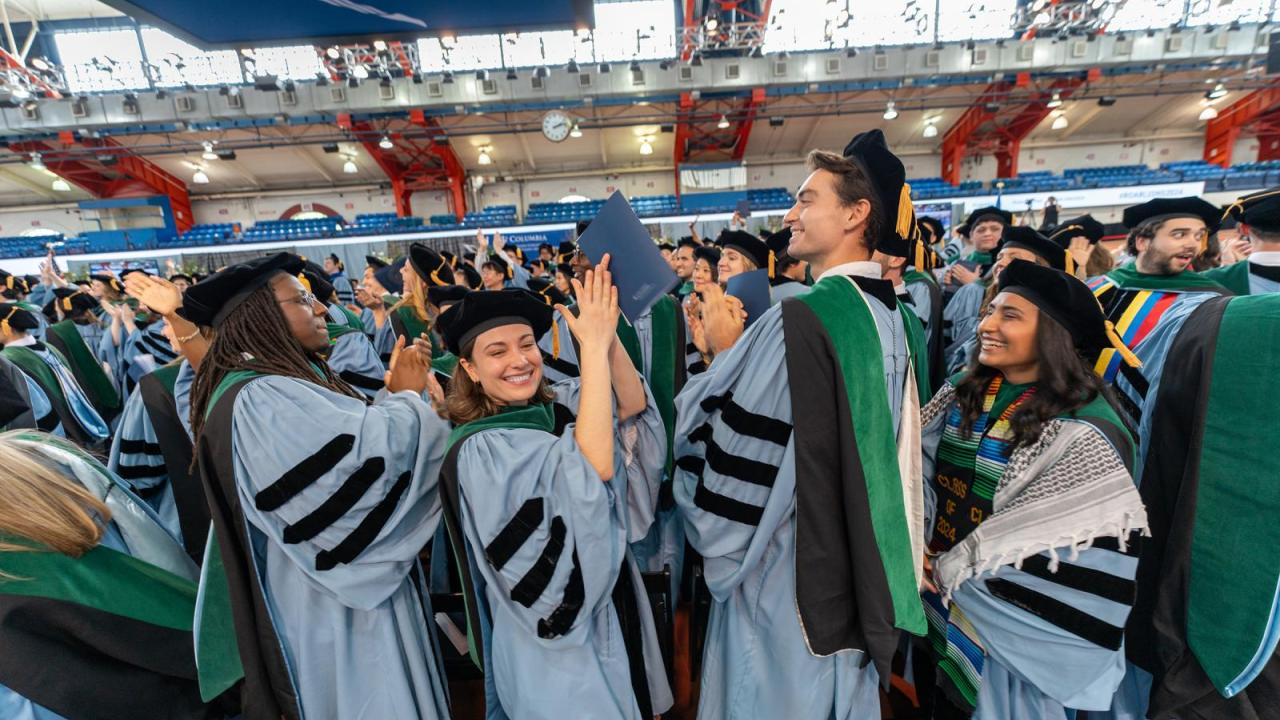
The VP&S Class of 2024 celebrated graduation with friends and families on May 15. Anthony Fauci, former chief medical adviser to the president, delivered the graduation address.
Topic
- May 16, 2024
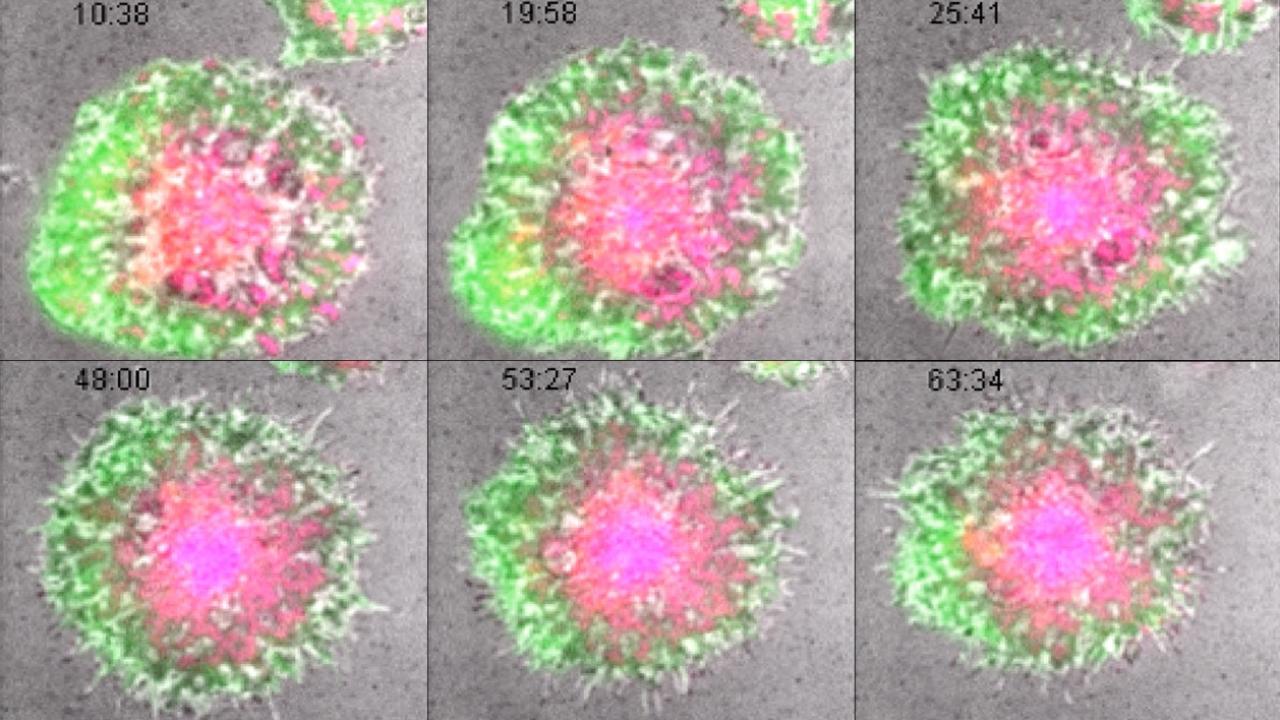
In the lab, Aimee Payne, Columbia’s new chair of dermatology, is transforming cells into living drugs for autoimmune diseases of the skin.
Topic
- May 14, 2024
A new initiative brings researchers in the Department of Obstetrics & Gynecology closer to understanding the impact of the environment on women's health.
Topic
- May 15, 2024
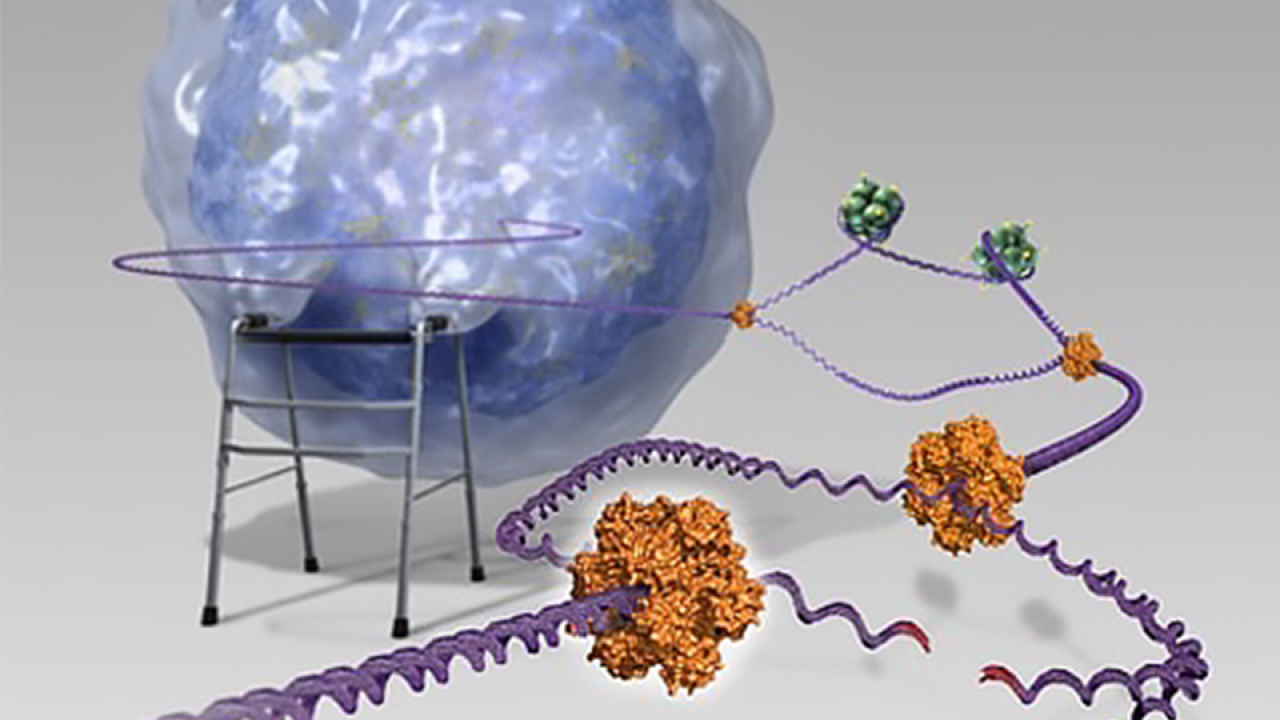
A 24-hour fast followed by feeding rejuvenates the blood-forming stem cells in old mice, a finding that may lead to new ways to help people live healthier lives as they age.
Topic
- May 14, 2024
More than 130 faculty, staff, and students from the Mailman School of Public Health volunteered with local community groups on April 19, highlighting the school’s commitment to community engagement.
Topic


Our Community

Learn more about our role in serving the Northern Manhattan community of Washington Heights, Inwood, and Harlem.
Diversity, Equity, and Inclusion
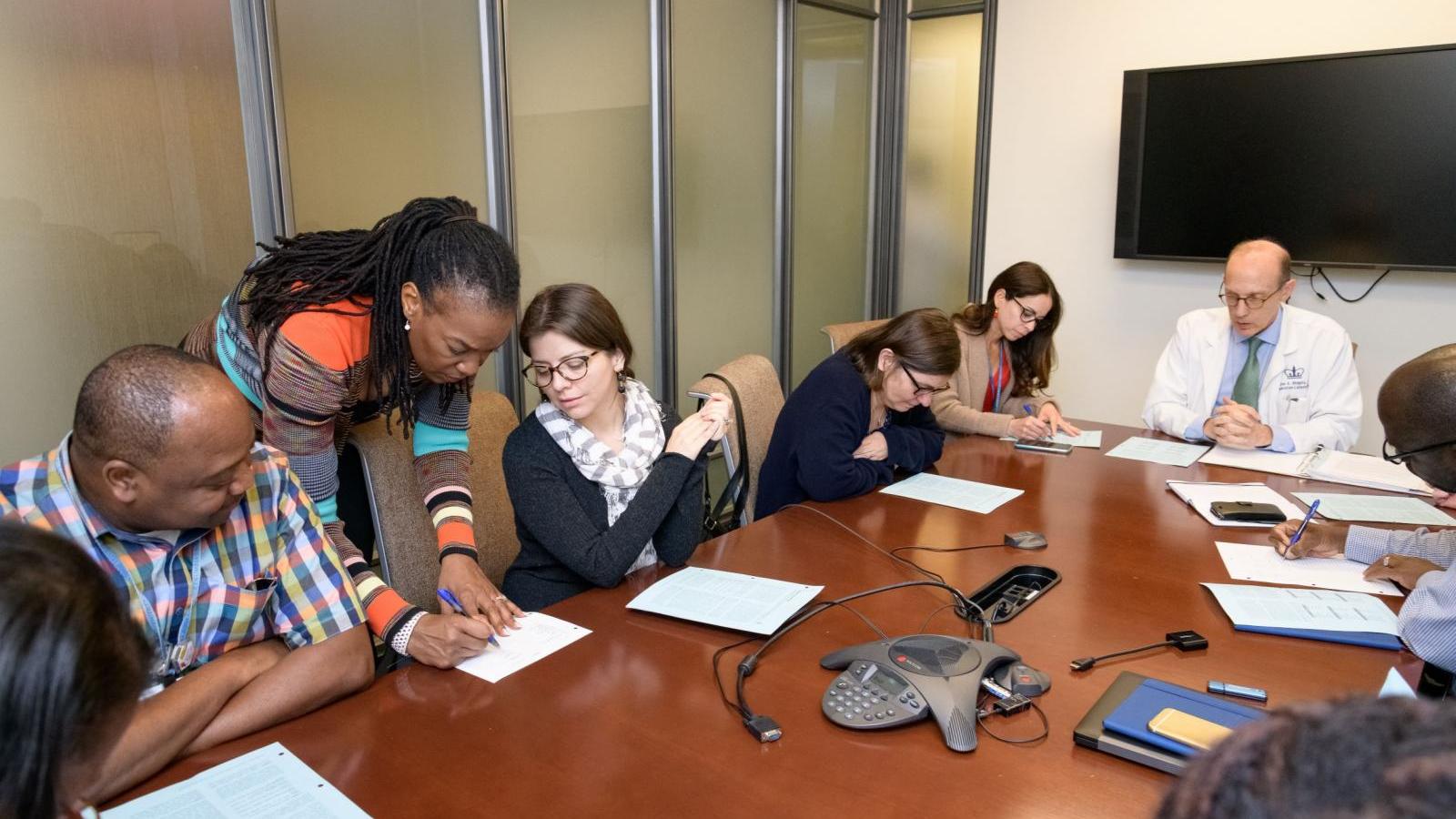
At CUIMC, we are committed to providing culturally inclusive medical education, research, and clinical care.
Events
-
-
- Monday, May 20, 202412:00 PM to 5:00 PM
- Tuesday, May 21, 20249:00 AM to 10:00 AM
Venue
Online