![]() |
|||||||||||
Contents:
|
Last summer, as a Simon Rifkind fellow in the Center for the Study of Society and Medicine, I wanted to tackle the question of why these schizophrenia genes are giving researchers such difficulty. The fellowship program allows medical students who finished their first year to pursue topics of inquiry related to the history of medicine, humanities and medicine, and bioethics. I asked whether the problem lies in the genetics or in the analysis itself. While recent studies have shown that genetic factors do play a significant role in the etiology of schizophrenia, this disease is a tricky one to study. Multiple interacting chromosomes, the definition of schizophrenia, and diversity among subject populations have all confounded researchers trying to pinpoint subtle genetic effects in schizophrenia. Although studies have shown genetic factors contribute to schizophrenia susceptibility, results of schizophrenia gene analyses continue to oscillate between either linkage or no linkage for a large repertoire of genes. The 55 studies from the medical literature I reviewed offered conflicting results for a variety of chromosomes, but the most disputed are 5, 6, 8, 10, and 22. The obvious question remains: What accounts for the disagreement in the schizophrenia susceptibility gene search?
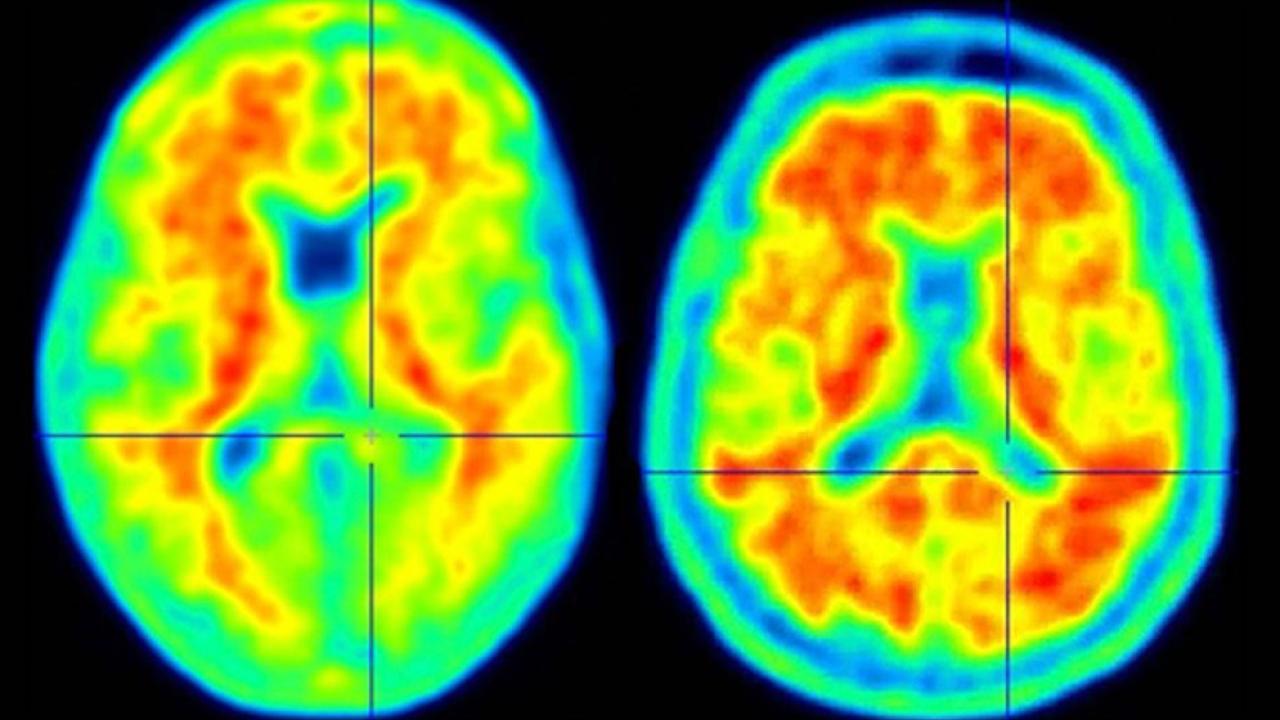
Research also supports a polygenic model for schizophrenia, which complicates the search for schizophrenia susceptibility genes since allele distribution can be notably different across many populations. Authors cite racial and ethnic diversity in addition to inadequate sample size as limitations in their studies. Only with consistent, analogous data sets can researchers resolve these disputes over schizophrenia susceptibility genes. When analyzing conflicting results, geneticists must explore a few important questions about their methodology. What role do geographic and cultural environments play in the incidence of this disease? How do we know whether risk factors implicated in schizophrenia are restricted to the diagnostic categories of the DSM-IV? Can these criteria withstand variations in the diagnostic methods doctors use in different countries? Before we can put any faith in the results section of research, we must refurbish the materials. To avoid inconsistency, schizophrenia gene research is beginning to lean toward the use of endophenotypes, neurobiological traits expressed unanimously in schizophrenia. Studies are redefining schizophrenia phenotypes based on discrete neurobiological characteristics, such as brain structure abnormalities or brain chemical levels, to increase the power of linkage analyses. Once strong data sets consisting of adequate sample size and quantitative traits are established, they can be studied repeatedly to save time and energy for future analyses. In the research arena, we should consider who and what we choose to study before we can stake any claims with our conclusions.
Kate H. Kraft is a second-year medical student at P&S.
|
||||||||||